What is PrEP?
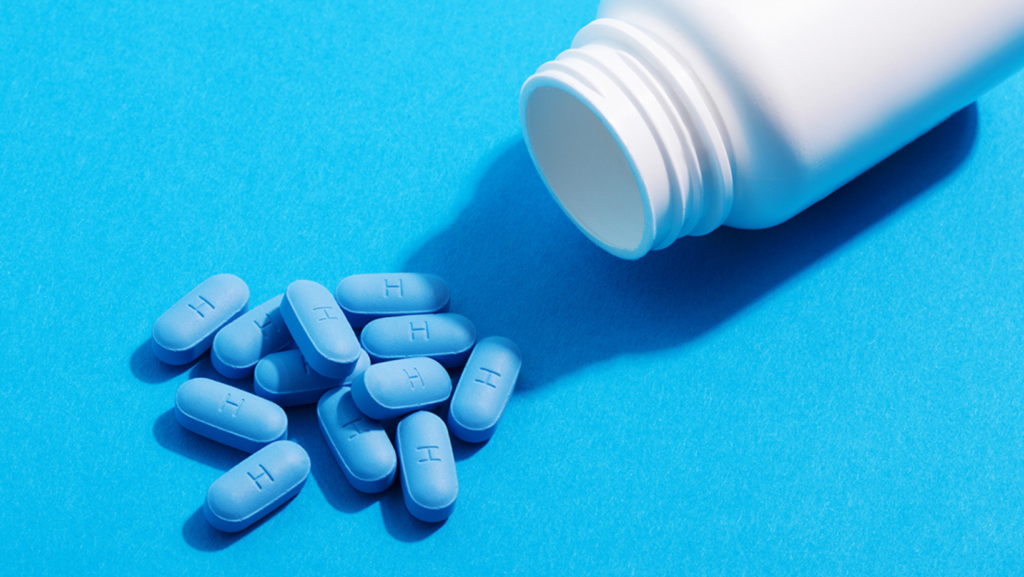
PrEP stands for Pre-Exposure Prophylaxis. It involves a person who doesn’t have HIV, regularly taking a pill to reduce their risk of HIV infection.
It takes some time for the right levels of PrEP to be in your system and this needs to be maintained, particularly if you think you might have more riskier sex encounters.
If you intend to have receptive frontal sex, you need to take PrEP every day for 1 week before and 1 week after sex. The medication takes longer for PrEP to be absorbed into vaginal tissue in comparison to the rectum.
If you intend on having receptive anal sex there are two ways to take PrEP: daily or on-demand.
For most people taking PrEP daily allows them peace of mind that they’ll have enough of the medication in their system to prevent HIV exposure even if they miss a dose. However, some people may prefer to take PrEP just ahead of having sex as you might not be having sex regularly.
This is sometimes referred to as “event-based dosing” or “on-demand dosing”. It is important that you know how to dose PrEP properly for your chosen way of taking it.
Monitoring
It’s important you continue to regularly test for HIV and STIs whilst you’re taking PrEP. It’s recommended you do so every 3 months (within exposure window periods) to give you peace of mind.
It is advisable to have both a blood test (that tests for creatinine and eGFR in the blood) and a dipstick urine test (that tests for protein in the urine) before starting PrEP, or as soon after starting as possible. These tests should be available for free at NHS sexual health clinics in your area- if you have any trouble accessing these essential tests please refer to this guide from Prepster (PDF).
PrEPster is a great resource for learning more about PrEP and whether it might be something for you or someone you know.
LGBT Foundation believes PrEP should be available to anyone who might be at higher risk of HIV infection regardless of their gender identity or sexual orientation.

Where can I get PrEP?
In the spring of 2020, the Department of Health and Social Care announced plans for the rollout of PrEP in England on the NHS. Now, in November 2021, PrEP is now free from most NHS sexual health clinics across the UK.
In order to access PrEP this way, you will need to contact your clinic to book an appointment. To find your local sexual health clinic using a postcode search, click on the links below that correspond with the area that you live in:
If you live outside of the UK, have a look at iWantPrEPNow.com, where you can purchase PrEP online.
LGBT Foundation advocates for self-prescribing where treatment is not accessible from the public health service. It’s important that you have access to medication guidance and work with your healthcare provider (a sexual health clinic, GP, or hospital) to regularly assess how the medication is affecting your health.
Know your HIV and Hepatitis B status
It’s really important that you’re sure you’re not living with HIV before starting PrEP. If somebody who is living with HIV but unaware of their status begins a course of PrEP, the virus could develop resistance to the anti-HIV medication that is used for PrEP. This could lead to potentially serious treatment complications in the future.
You also need to be tested for the Hepatitis B virus to rule out an active Hepatitis B infection. You can still use PrEP if you have a Hepatitis B infection but you must get advice from a health professional.
PrEP can cause a decline in kidney function though this isn’t common. It is important to have a kidney function test before you start to use PrEP and at regular intervals so that any problems can be identified. PrEP might not be suitable for you if you have problems with your kidneys.
Whilst you’re testing for HIV it’s recommended you have a full sexual health screening for other STIs. This is because there’s a risk of exposure to STIs during sex.
Why do we need PrEP?
There is a higher prevalence (more people living with HIV and who haven’t been diagnosed) in particular places in the UK including Manchester. This means there might be a higher risk of people contracting HIV, particularly if they’re having riskier sex. Some factors that might contribute to you being at higher risk are:
- A recent STI
- Use of PEP (post-exposure prophylaxis)
- Engaging in Chemsex (using drugs such as crystal meth, mephedrone, or GHB during sex)
We can have safer sex by using condoms, but not everyone likes to use condoms or they might feel pressured not to use them. PrEP gives people another option to prevent contracting HIV.
Does PrEP have side effects?
Any medicine can have side effects, so taking PrEP is a serious decision. The drugs in PrEP have been used as part of HIV treatment for many years and treatment has developed over time to have much fewer side effects. Most people taking PrEP don’t report side effects. Some people have stomach problems, headaches, and tiredness during the first month but these usually go away.
If you are experiencing issues with medication it’s important that you speak to your GP. Healthcare professionals have a duty of care to ensure that you’re healthy and well. This includes accessing renal function testing (kidney) at a hospital to assess whether the medication is having any negative impacts on your immune system.
Dealing with PrEP shaming
Unfortunately, some people don’t advocate for PrEP and in turn shame people who want to access PrEP. If you’re accessing PrEP you’re taking control of your sexual health and helping to fight the onward transmission of HIV. We’re proud to support people taking PrEP because it improves sexual health and well-being.
Some people claim that using PrEP means people take more risks in their sex lives. However, in 2 studies it was found that there was no difference in the number of men diagnosed with other STIs between those on PrEP and those not on PrEP. At LGBT Foundation we’re sex-positive and believe that people should have the opportunity to have fantastic sex with their partners without shame and discrimination from other people.
If you would like to chat with us in confidence about the sex you’re having/want to have, advocating for safer sex, or about your sexual health and well-being, you talk with a member of the Sexual Health Team by completing this online form.